The part of Susan Boyle’s story the audition couldn’t tell
An audition gave her an audience. An assessment she sought out for herself gave her an explanation she’d spent years without.
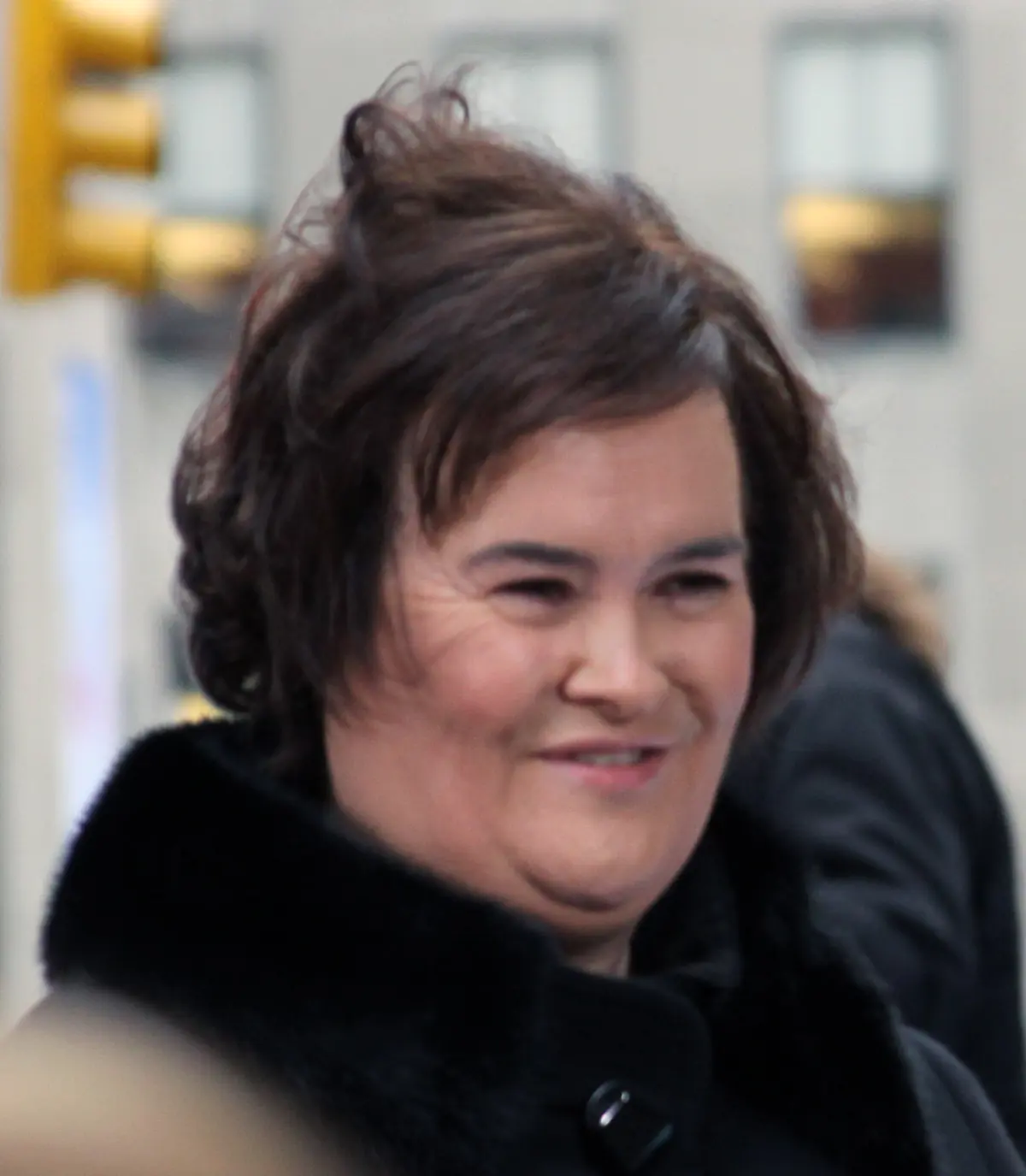
Susan Boyle in November 2009.
Before Susan Boyle starts to sing in her first Britain’s Got Talent audition, the judges ask her about the career she wants. Then the first notes of I Dreamed a Dream come out, and you can watch the judges’ faces change. They had asked her to describe what she hoped to do. Now they could hear her do it.1
People in her Scottish hometown of Blackburn had heard her sing in church and at karaoke. In 2009, millions of people started listening. The audience that had met her in a televised audition kept turning up for the records and performances that followed.26
An explanation she sought herself
Boyle sought a specialist’s assessment. She told The Observer she received an Asperger’s diagnosis and was told her IQ was above average.3
She wrote about the relief she felt at fifty-one, and how she kept the diagnosis private for a year.4
When she spoke to Tracy Grimshaw in 2019, Boyle could talk about the diagnosis openly. She had spent years being watched. Now she could explain part of her experience herself. She wanted other people who felt underestimated to hear her.5
It matters what a test is designed to answer. Boyle sought a clinical explanation. If you’re curious about your own reasoning, OpenIQ’s free AGCT IQ Test lets you try a mix of verbal, quantitative, and spatial questions.
The performance lasts a few minutes. The woman who gave it has kept telling her story in her own time.
Sources
Photo by Deborah Wilbanks · CC BY-SA 3.0 · Resized for web
